
This blog contains curated articles on the Art of Skating.
-
Art, Sport, Money and the Future of Figures
Photo Copyright (c) 2018, World Figure Sport, Used by Permission: Trixi Schuba serving as a judge at the World Figure Sport Figure & Fancy Skating Championships on Black Ice. Beginning in 1992 figures were “abolished” from the sport of figure skating by the ISU. Since that time, there have been endless debates on whether that…
-
Form, Movement Quality and the Ultimate Waltz Jump
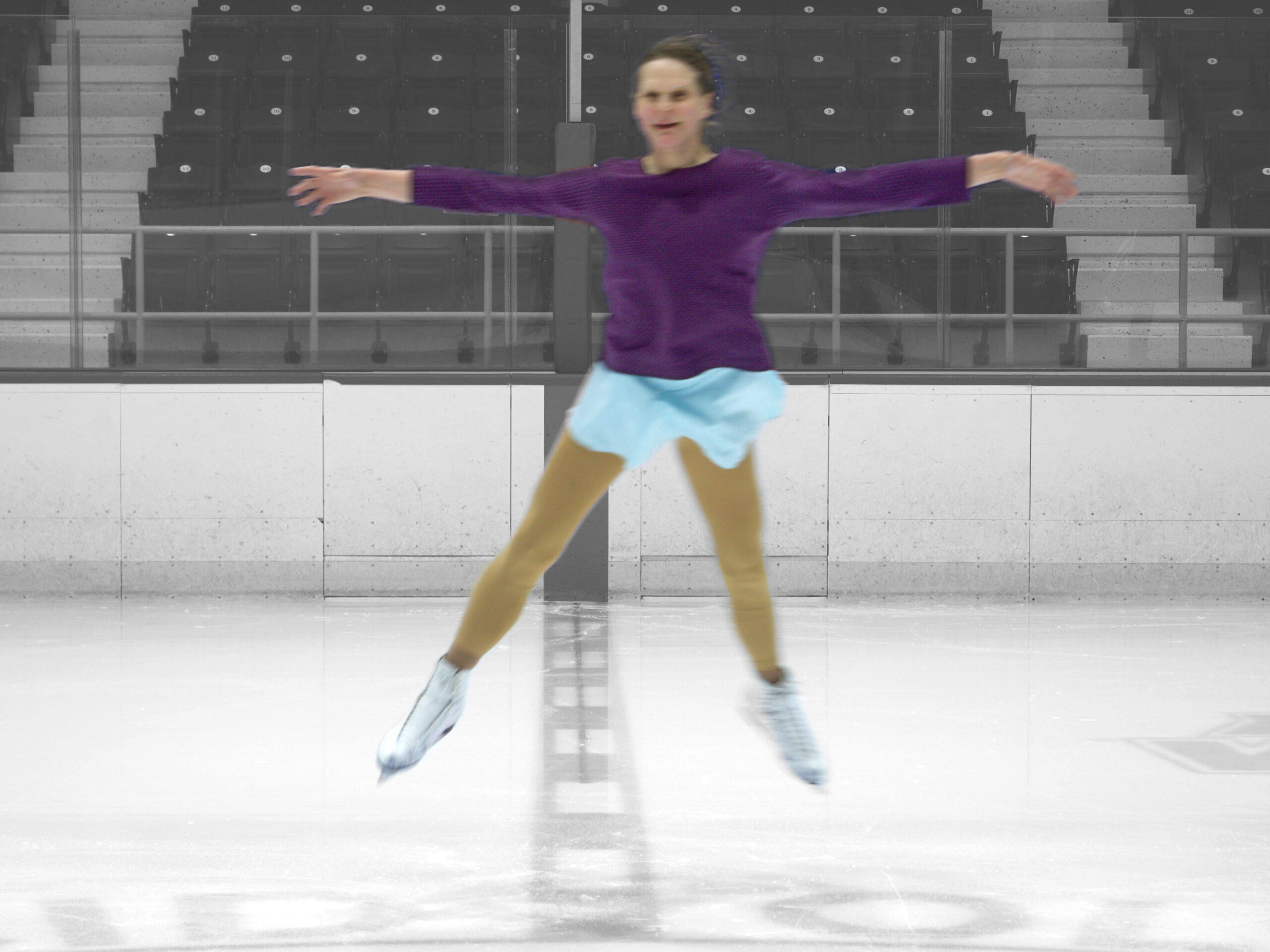
When we deliver a top-notch dance / skating performance, the audience will be captivated the whole time. They will use words like “presence,” “authentic” and “captivating” to describe our what they saw: the magic happened! We grabbed their attention and held it! But when we fail to engage the audience… they’ll be looking at their…
-

Fancy Skating Deep Dive: Beth Woronoff, 2025
In October 2025, Beth Woronoff brought a unique and sublime dance to the World Figure Sport Figure & Fancy Skating Championship in Lake Placid, NY. She danced to Prelude to the Afternoon of a Faun, she added to a long and rich tradition going back more than a century. Inspired by the poem L’après-midi d’un faune by Stéphane Mallarmé,…
-
I Train like an Olympic Figure Skater (or Ballet Dancer)
OK I got you with the clickbait. There’s a whole genre of “I trained like an Olympic Figure Skater” videos, typically they involve intense short-term beginners trying tricks with an expensive coach, but all they really accomplish is social media views. More seriously, how can we set ourselves up for long-term success? I begin with…
-
The Ultimate Three Turn
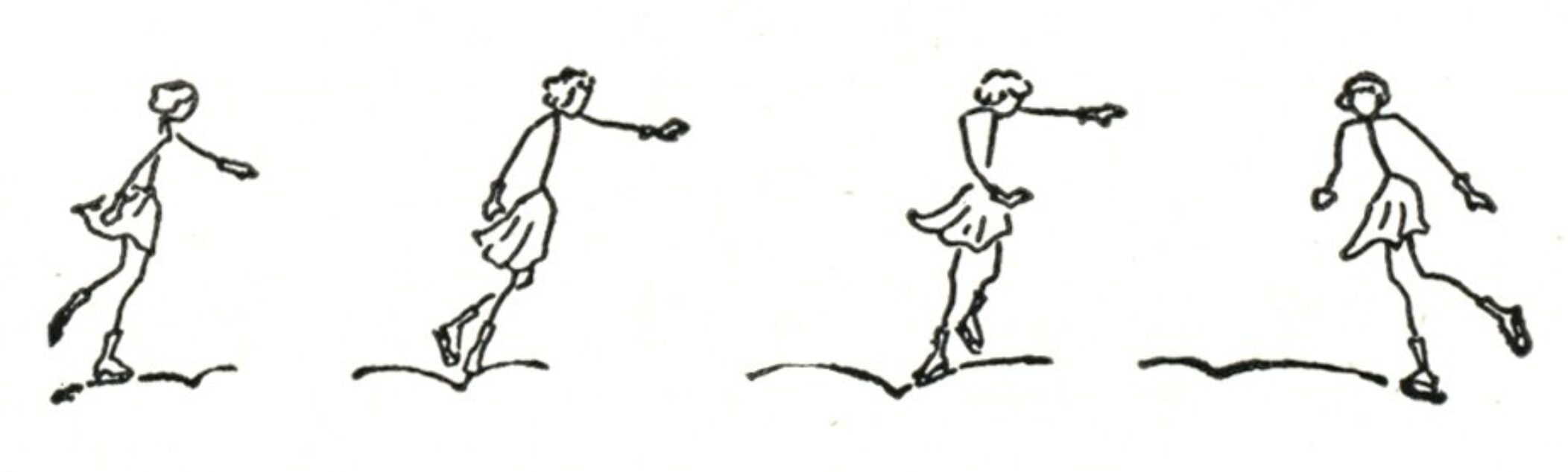
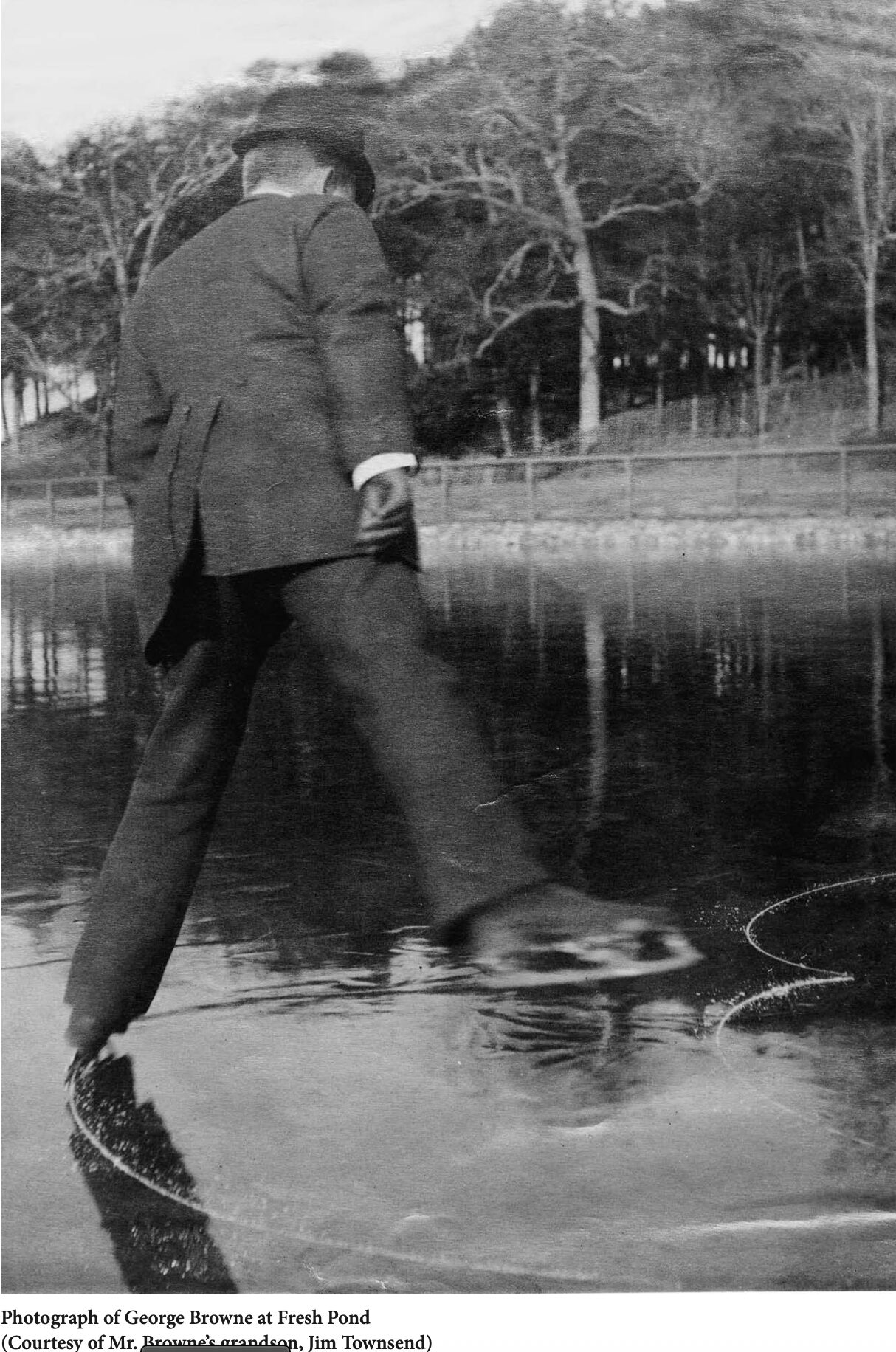
The three turn may be the simplest of one-foot skating turns, but it hides a surprising amount of complexity. In fact, most materials online do not give it justice and draw patterns that are physically impossible, hence this article. For starters, let’s see what a three turn LOOKS like. Here is one by George Browne…
-
Introduction and History of Figure & Fancy Skating
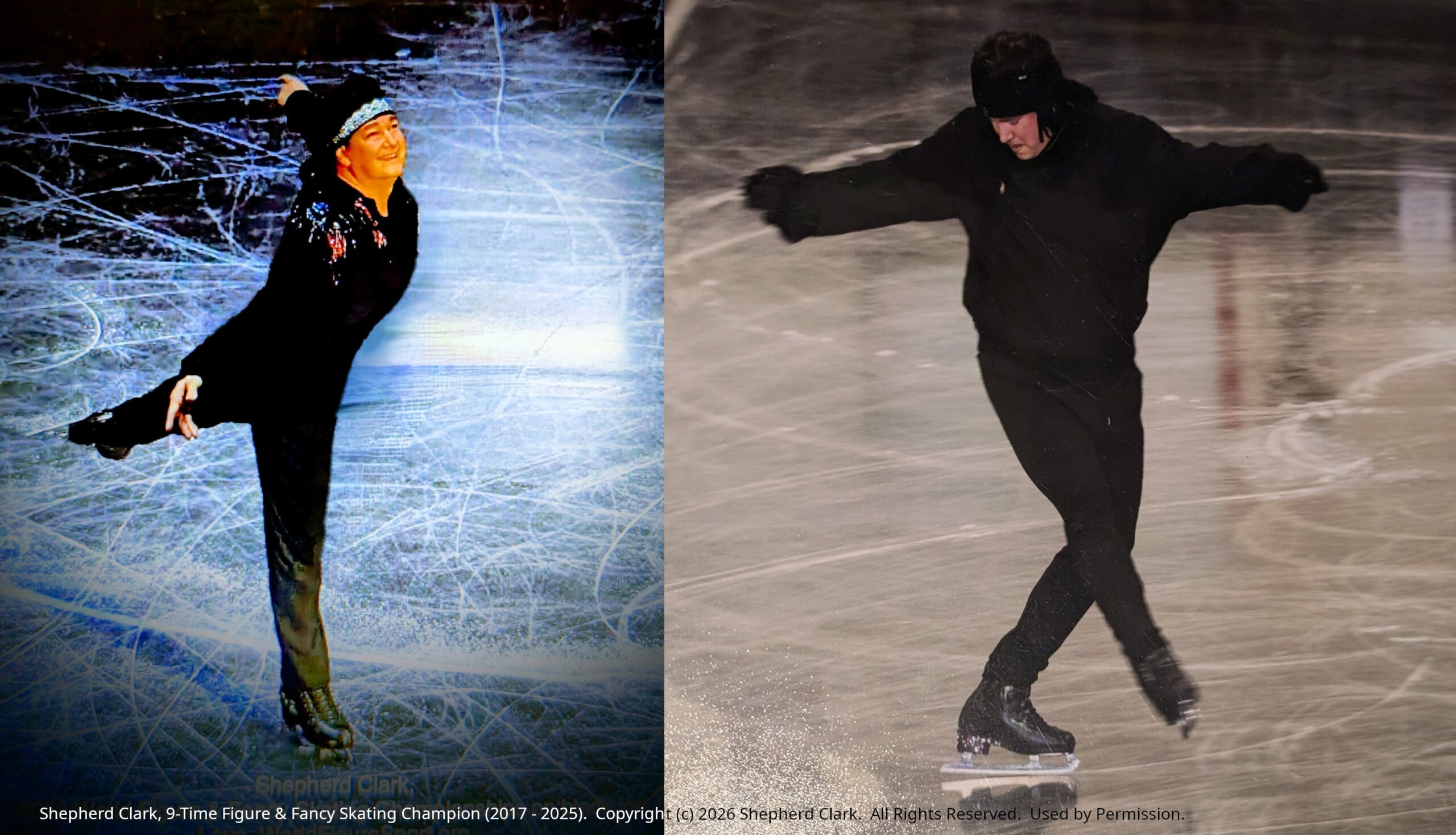
This introduction is written for anyone, whether skating artist or spectator, who wishes to learn more about the art of Figure & Fancy Skating. If you wish to learn and perform this art yourself, resources are available to get you started and help you along the way! Please contact the World Figure Sport Society by…
-
Training Your Body to Do Anything (within its physical capabilities)
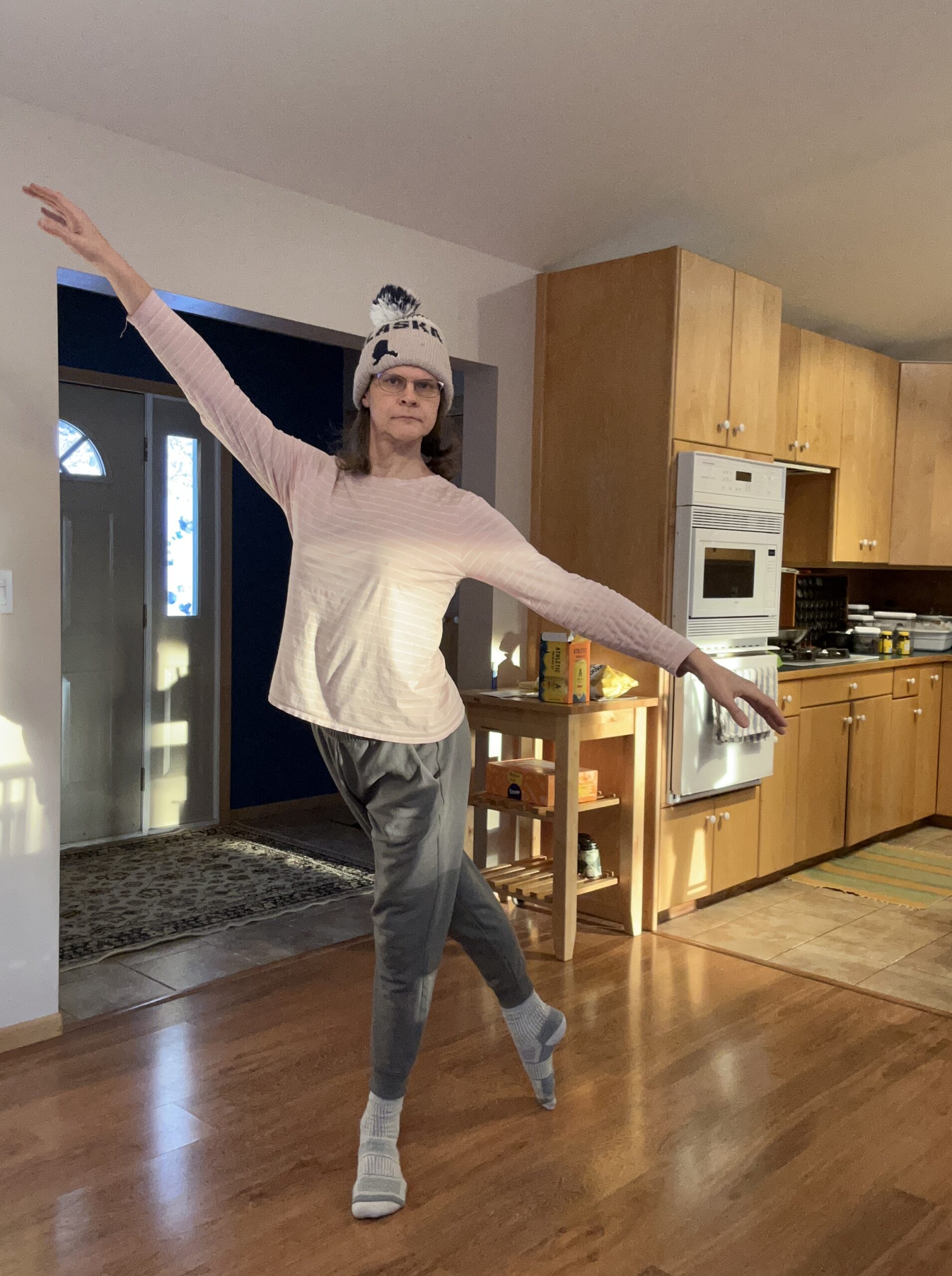
It is widely believed that technical achievement in dance is only possible for children, that there is an uncrossable chasm between adult students and fully trained dancers who began as children. Although this seems empirically obvious, I stand as a counterexample: I began professional ballet training at age 28 and two years later made it…
-
Review: The Gig: After Moise and the World of Reason
Running three consecutive weekends, Ice Dance International presented The Gig: After Moise and the World of Reason in North Adams, MA today as part of the Williamstown Theatre Festival. The all-male cast presented “Tennessee Williams live on an ice rink — a wholly original, site-specific performance about making a plan and leaving the world of…
-
When Pigs Skate: The Two Most Perfect Shapes
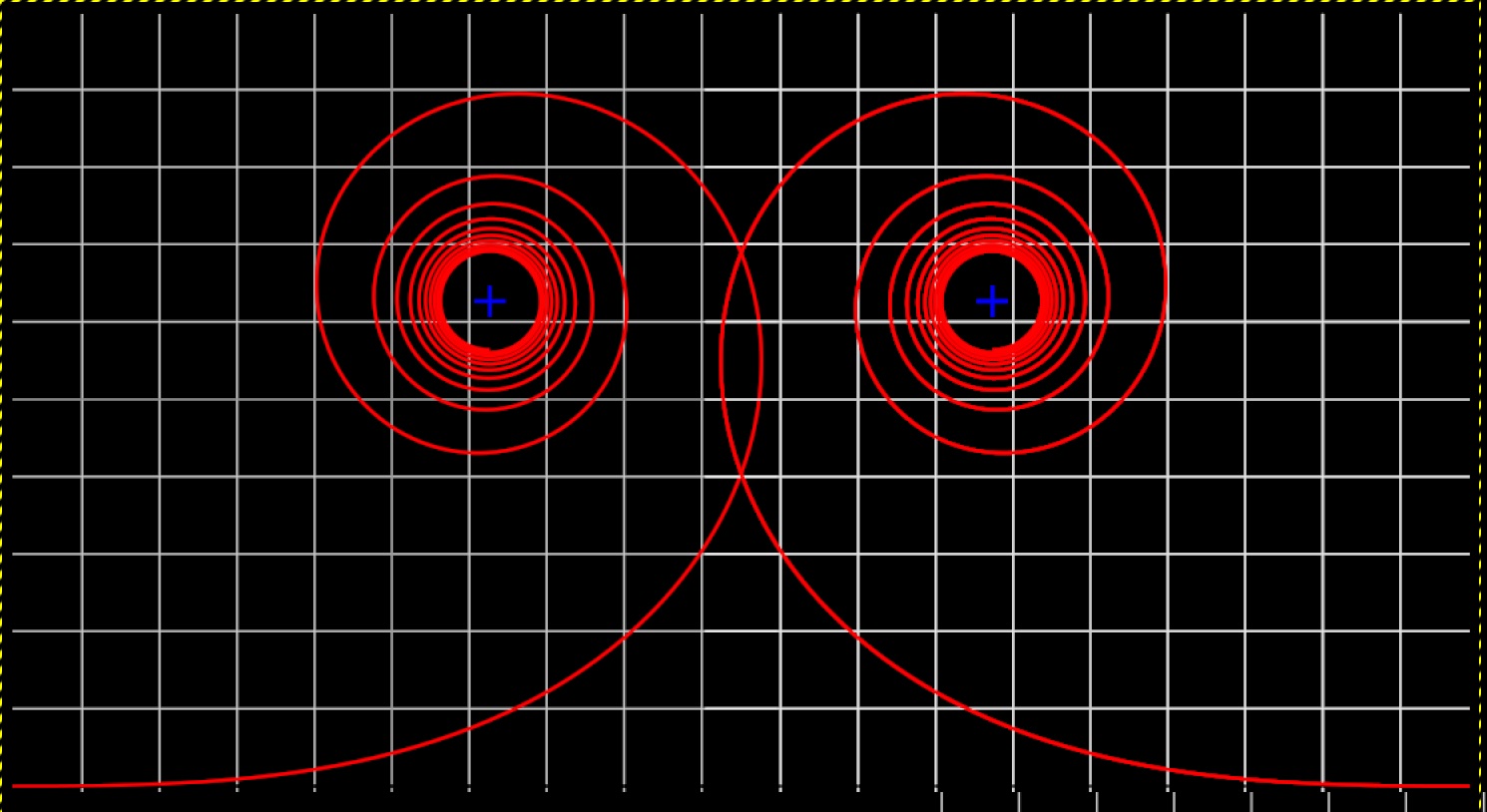
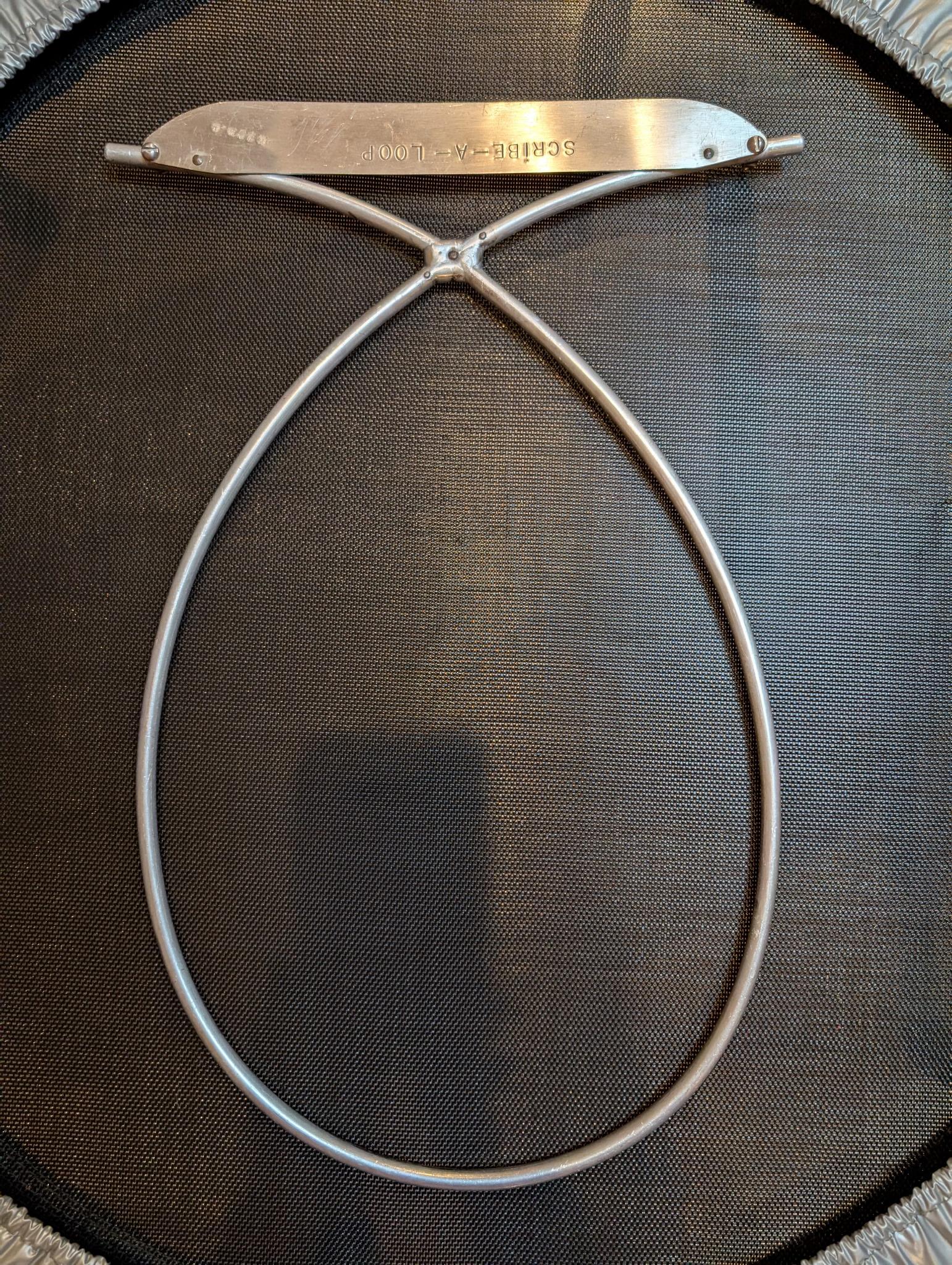
Join us in a wide-ranging lecture on Figure Skating and an amazing mathematical shape that shows up all over the place! When you’re done with the lecture, try your hand playing the YP Figures simulation game: Addendum: Pivoting Figures
-
Why Figures are Awesome
A figure is a named, choreographed movement or sequence of steps. This comes to us from dance traditions of the British Isles, where dancers would work together to create patterns of position and movement. Compared to ballet training today, a figure is larger than a step and smaller than an enchainment (“combination”) — and it…